The Power of Family Business
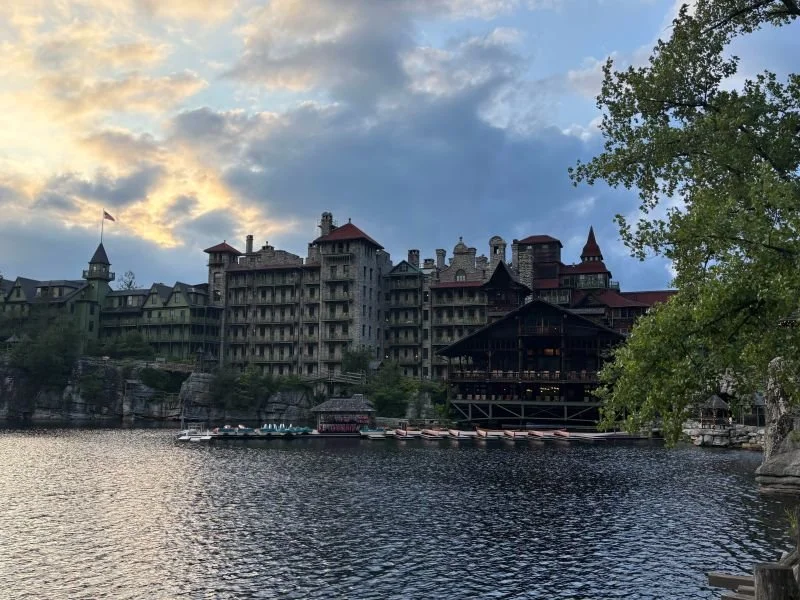
I went on a family vacation a few weeks ago to the Mohonk Mountain House in upstate New York. The property has been owned by the same family since 1869. Images and stories of the family lined the walls, and the history just oozed out of every nook and cranny of the buildings and the grounds. I loved it.
Yes, the food was good and the lodgings were nice. But more than anything I found myself appreciating the quirky and authentic experience the same family had stewarded in this magical place for over 150 years.
I kept thinking about all of the other families that had passed through here just like mine over the generations. The people that had appreciated the same lake views and the same sunsets that I was appreciating.
There was something very tangible about the family’s stewardship that felt so refreshing. So different from the traditional hotel experience or bland AirBnB aesthetic I’m used to. I even met a family member at one of the programmed concerts. She seemed to genuinely enjoy welcoming guests to the property and chit chatting.
Now of course family businesses can be messy affairs. I’ve seen my fair share of the misalignment that can come from attempting to transition a business to the next generation. Add 3 or 4 more generations to that mix and it is no wonder it is rare for family businesses to thrive across the generations.
But when they do, they are able to offer something truly unique and real. And hospitality in particular is a business where uniqueness can be a crucial differentiator. There is no way I would have felt the way I did at a Hilton.
There is no way a Hilton would have had all those strange faded photographs on the wall. Or offered free fish food so that my kids could giggle with glee as the trout fought for a morsel. Hilton definitely would not have a full time naturalist on staff either.
I left feeling energized and hopeful about the prospect of family businesses that stand for something - and that could stand the test of time.